How Professional Rubbish Clearance Makes Property Clearing Easier
Clearing a property can quickly become a larger task than expected. What begins with a few unwanted household items can develop into several rooms of furniture, packaging, old fittings, broken belongings and materials that need to be sorted and taken away. For homeowners, landlords, surveyors, businesses and local authorities, finding an organised approach can make the entire process considerably easier.
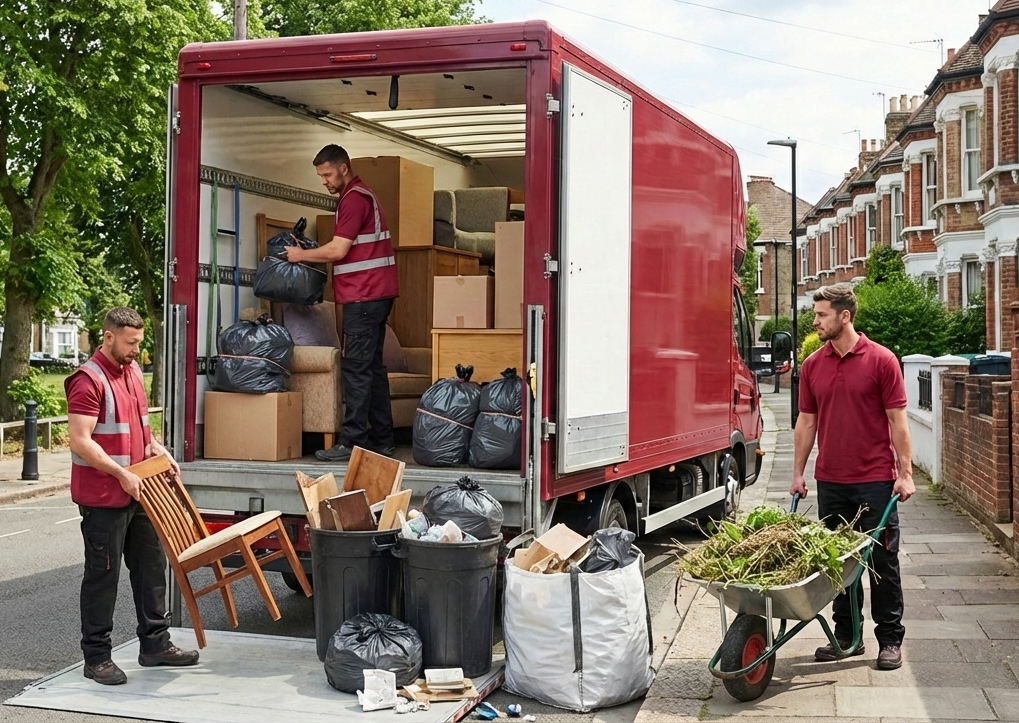
Professional rubbish clearance provides a practical way to deal with unwanted items without requiring property owners or managers to organise every stage themselves. Rather than repeatedly loading a vehicle, making several journeys and deciding where different materials should go, an experienced team can help manage the physical collection and removal process in a structured manner.
This can be particularly useful when preparing a property for renovation, dealing with the contents of a recently vacated home, clearing commercial premises or restoring an outdoor area. In Croydon, where properties range from flats and terraced homes to larger residential developments and commercial premises, the amount and type of unwanted material can vary considerably.
The same principles apply in other locations. A successful property clear-out is generally easier when the work is planned beforehand, access is considered and unwanted items are separated where practical. Professional assistance can reduce the amount of manual handling required from the customer while providing a clearer route from a cluttered property to a more manageable space.
Managing Outdoor Materials During a Property Clear-Out
Outdoor spaces can create a surprising amount of material during property maintenance. Gardens, yards, communal areas and commercial grounds may contain branches, hedge cuttings, leaves, old plants, grass cuttings and other materials that accumulate during seasonal maintenance or larger landscaping projects.
Professional garden waste removal can simplify this part of a property clear-out by providing a planned method for collecting and taking away suitable outdoor materials. This can be particularly helpful after pruning, garden renovations, tenancy changes or periods where an outdoor space has received limited maintenance.
There are several practical reasons why outdoor clearing can become difficult without preparation:
- Volume can increase rapidly. Cut branches, shrubs and vegetation often occupy considerably more space once removed from the ground or trimmed back.
- Materials can be awkward to handle. Branches, damp leaves and bulky vegetation may be difficult to transport using an ordinary household vehicle.
- Access may be restricted. Terraced homes, flats and properties with narrow side passages can make moving material from the rear of a building more time-consuming.
- Different materials may need separating. Soil, plant matter, timber, old garden furniture and general household items should not automatically be treated as one type of material.
- Weather can affect the work. Wet vegetation becomes heavier and can make paths, driveways and working areas more difficult to use safely.
Planning the outdoor part of a clear-out before work begins can therefore save considerable effort. Cutting vegetation into manageable sections, creating clear access routes and keeping different materials separated can make collection more straightforward.
For landlords and property managers, garden clearing may also form part of preparing a property between occupancies. Overgrown outdoor areas can make an otherwise tidy property appear neglected, while removing accumulated material can provide a clearer view of fences, walls, paths and other external features that may require attention.
Commercial properties may face different challenges. Offices, shops, managed developments and other premises can have shared outdoor areas where work needs to be organised around employees, visitors or residents. Scheduling the clearing process carefully can minimise disruption while allowing the space to be restored efficiently.
Using Professional Support to Simplify Larger Clear-Outs
Large property clear-outs often involve more than simply carrying unwanted objects outside. Items may need to be moved from upper floors, taken through narrow hallways, separated into manageable groups and collected without unnecessarily disrupting other parts of the building.
Using professional waste removal services can be particularly useful where the amount of material is difficult to estimate or where the customer has limited time available to complete the work. Instead of treating the clear-out as one large task, the property can be approached systematically, with priority given to access, organisation and safe handling.
A practical clearing process may involve:
- Assessing the property first. Looking through each room helps establish the approximate amount of material and identifies particularly large or awkward objects.
- Separating items that need to remain. Important documents, reusable furniture, personal possessions and equipment should be clearly distinguished before collection begins.
- Creating suitable access. Hallways, stairs, entrances and loading areas should remain as clear as possible to make movement through the property easier.
- Working through the building logically. Clearing one room or area at a time can prevent unwanted material from simply being moved from one location to another.
- Considering larger items early. Wardrobes, tables, shelving and other bulky objects may require additional planning before they can be removed from the building.
- Checking the property afterwards. A final walkthrough can help identify smaller items that may have been overlooked during the main clearing work.
This structured approach is valuable for residential and commercial properties alike. A homeowner preparing for renovation may need several rooms emptied before contractors arrive. A landlord might need a property cleared following a tenancy, while a business may be reorganising storage areas, replacing furniture or preparing premises for refurbishment.
Surveyors and property professionals can also benefit from clear access. Rooms filled with unwanted possessions can make it harder to inspect walls, floors, windows and other areas properly. Removing unnecessary material can expose more of the building and make subsequent maintenance or assessment easier to organise.
In busy parts of Croydon, practical considerations such as parking, property access, communal entrances and nearby traffic may also influence how a collection is arranged. Considering these details beforehand helps reduce delays and keeps the process organised.
Finding Practical Local Help When Time Is Limited
Searching for rubbish clearance near me is often prompted by a situation where unwanted items need to be removed within a particular timeframe. A house move may be approaching, contractors may be due to begin renovation work, a tenancy may have ended, or commercial premises may need to be prepared for their next use.
In these circumstances, preparation remains important even when time is limited. Customers can make the collection process easier by identifying what needs to leave the property and keeping anything that must remain clearly separated. Where possible, smaller loose items can be grouped together, while pathways should remain accessible for larger objects.
Local knowledge can also be useful when organising property clearing. Croydon includes busy urban roads, residential streets, flats, terraced houses, commercial areas and properties with varying access arrangements. A collection from a ground-floor shop can therefore require a very different approach from clearing furniture from an upper-floor flat.
Before arranging a service, it is helpful to provide an accurate description of what needs to be collected. Approximate quantities, photographs and information about access can all help clarify the scope of the work. Customers should mention stairs, lifts, narrow entrances, restricted parking or particularly heavy objects rather than waiting until collection begins.
This is especially important for landlords and property managers who may not be present throughout the work. Providing clear instructions beforehand can help ensure that the correct items are identified and that anything belonging to the property remains in place.
Businesses should consider operational requirements as well. A collection may need to take place before opening, after closing or during a quieter part of the working day. Planning around staff and customers can make the process less disruptive.
The objective is not simply to remove material as quickly as possible. A well-managed clear-out should leave the property easier to use, inspect, clean, repair or prepare for whatever comes next.
Understanding What Can Affect the Cost of Clearing a Property
Customers researching rubbish clearance prices may notice that the cost of a property clear-out can vary depending on the amount of material involved and the practical requirements of the collection. A small quantity of unwanted household items will naturally involve different work from clearing several rooms of furniture and bulky materials.
Several factors can influence the overall requirements of a job. Volume is one of the most obvious, but it is not the only consideration. The type and weight of the materials, the number of people required, access to the property and the amount of manual handling involved may all affect how the work needs to be organised.
A property with straightforward ground-floor access may be quicker to clear than an upper-floor flat where every item must be carried down several flights of stairs. Similarly, a collection point close to the building can make loading easier than a property where items must be carried a considerable distance before reaching the vehicle.
For this reason, accurate information is useful when requesting a quotation. Customers can help by explaining:
- the approximate number and type of items;
- whether bulky furniture is included;
- which floor the items are located on;
- whether stairs or a lift are available;
- how close a vehicle can get to the property;
- whether materials are spread throughout several rooms; and
- whether there are any particularly heavy or awkward objects.
Photographs can also provide useful context, particularly for larger clear-outs. They allow the scale of the work to be understood more clearly and can reduce uncertainty before the collection takes place.
Customers should also consider the complete scope of their project rather than focusing solely on the initial removal stage. If decorators, builders, cleaners or new occupants are arriving afterwards, completing the clearing work at the appropriate point can prevent delays elsewhere.
For local authorities, property managers and commercial organisations, planning may involve multiple areas or properties. Keeping a clear record of what needs to be removed from each location can help prevent confusion and make larger programmes of work easier to coordinate.
Whatever the property type, clear communication before collection usually makes the process more predictable. Understanding the volume, access arrangements and nature of the unwanted material allows the work to be planned around the actual requirements of the property.
Property clearing becomes far more manageable when it is approached as an organised process rather than a last-minute task. Identifying unwanted items, protecting anything that needs to remain, considering access and planning how bulky materials will be moved can reduce unnecessary effort and disruption.
Professional rubbish clearance can support homeowners, landlords, surveyors, businesses and local authorities when properties need to be emptied or reorganised. Whether the project involves a single room, an entire home, outdoor areas or commercial premises, careful planning can help the work progress more smoothly.
The same approach can be applied in Croydon or elsewhere. Every property presents different practical challenges, but understanding the scale of the job before work begins provides a stronger foundation for an efficient clear-out.
Rubbish Removal Croydon provides a straightforward way for customers to explore professional clearance options for residential and commercial properties. We understand that clearing unwanted items can be time-consuming, particularly when properties contain bulky objects, several rooms need attention or access requires additional planning.
Our website is designed to provide clear information for people considering professional rubbish clearance in Croydon and the surrounding area. Whether you are a homeowner preparing for renovation, a landlord managing a property change, a business reorganising premises or a property professional arranging work on behalf of others, you can explore practical solutions based on the requirements of your project.
We focus on clear communication and a sensible approach rather than making unnecessary promises. By considering the type of property, approximate volume of material and access arrangements, customers can make a more informed decision about how to organise their clear-out and move their property project forward.
Check out our latest X update on how professional
rubbish clearance makes property clearing easier!
You might also like